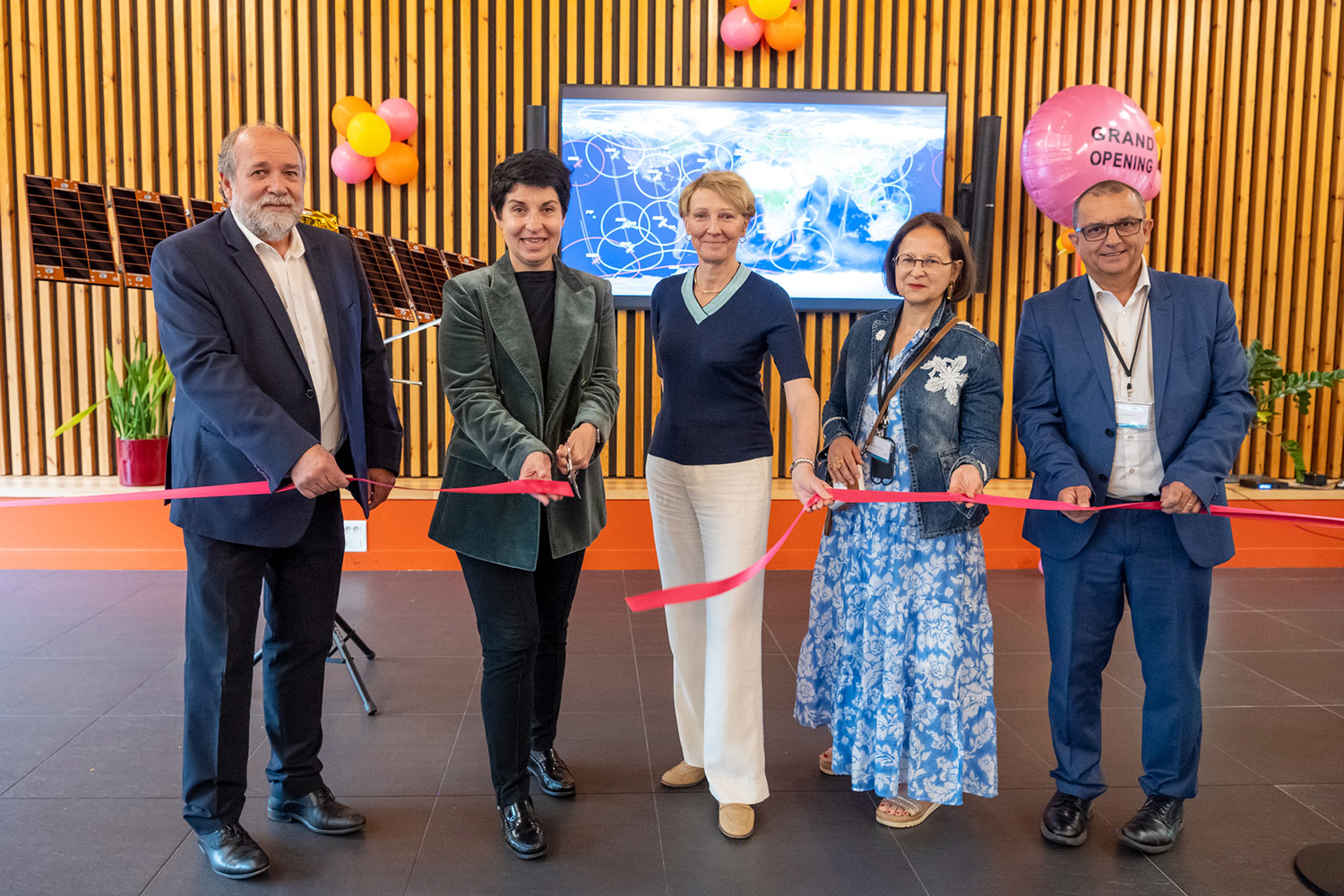
With the official launch of its services, Kinéis is fulfilling its mission: to provide reliable and secure data accessible from anywhere on the planet.
After taking on a major challenge — deploying 25 nanosatellites in less than a year — Kinéis now enters a new phase: the commercialization and rollout of its connectivity services.
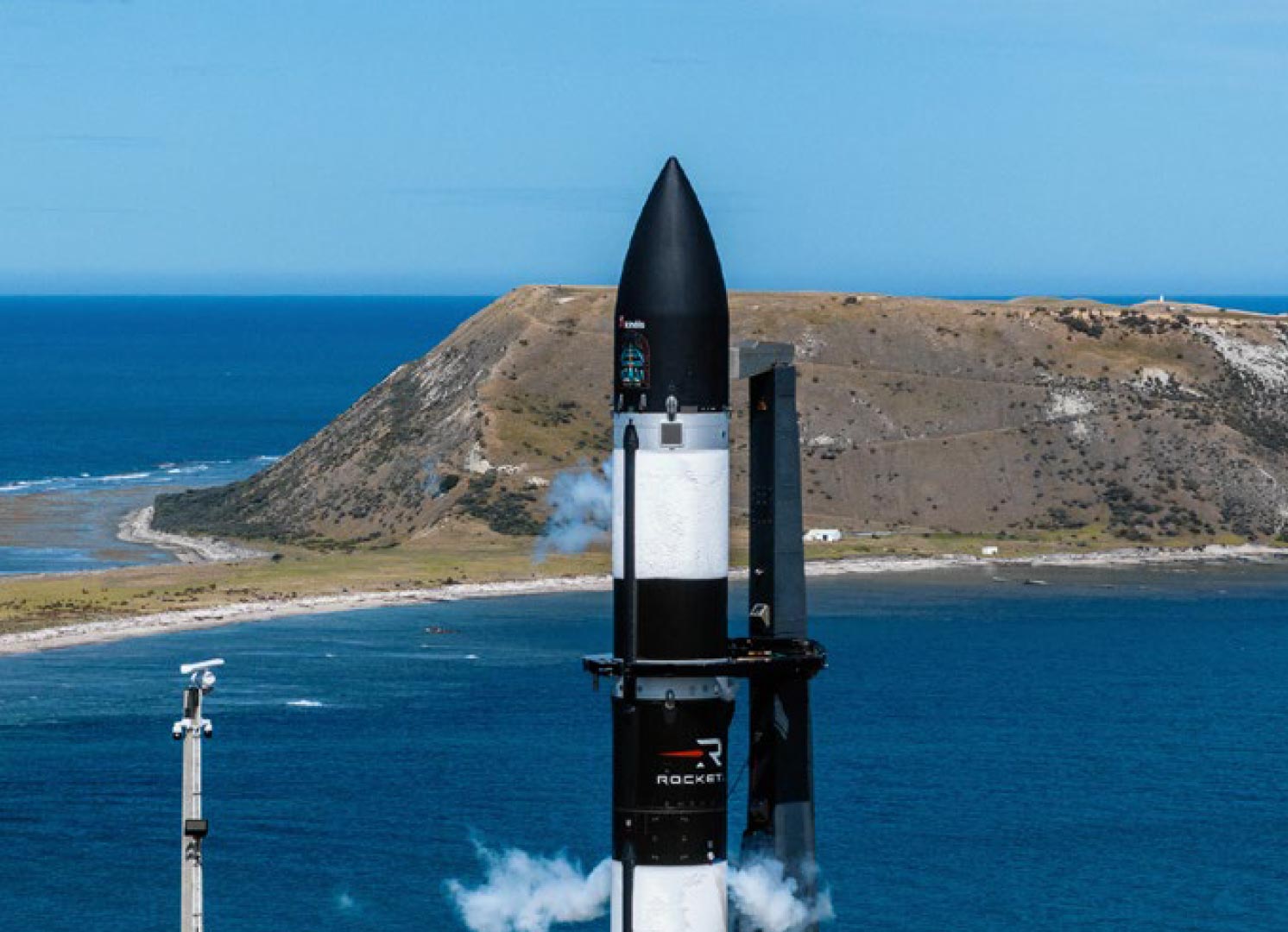
On March 18, the last five nanosatellites were successfully launched aboard the Electron rocket, completing the 25-satellite constellation. Soon, data will be accessible in less than 15 minutes anywhere on the planet.
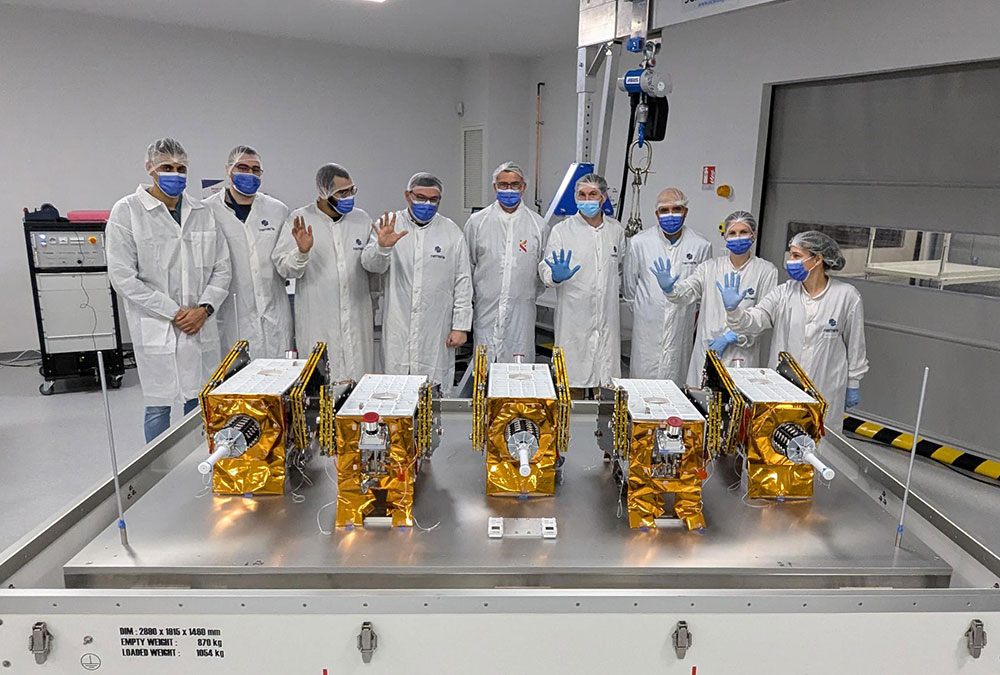
The 5 nanosatellites of Mission V have been finalized by our partner Hemeria. They are now ready to join the other 20 to complete the constellation during the 5th and final launch!
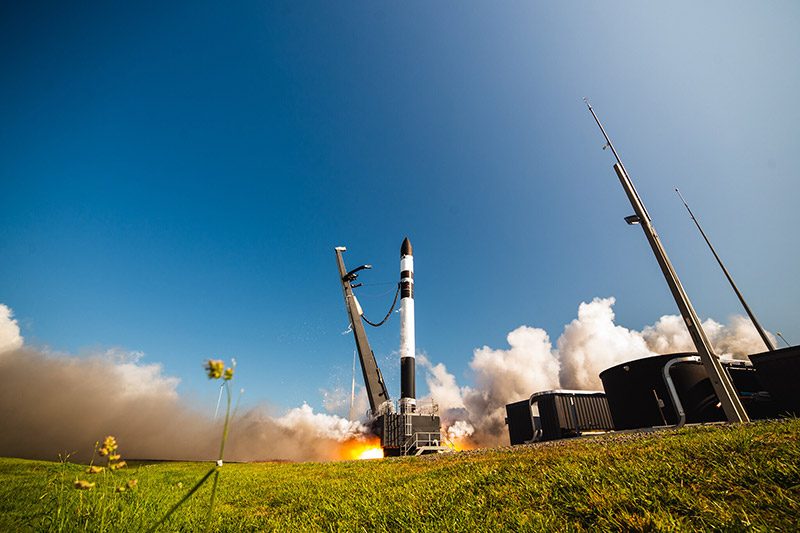
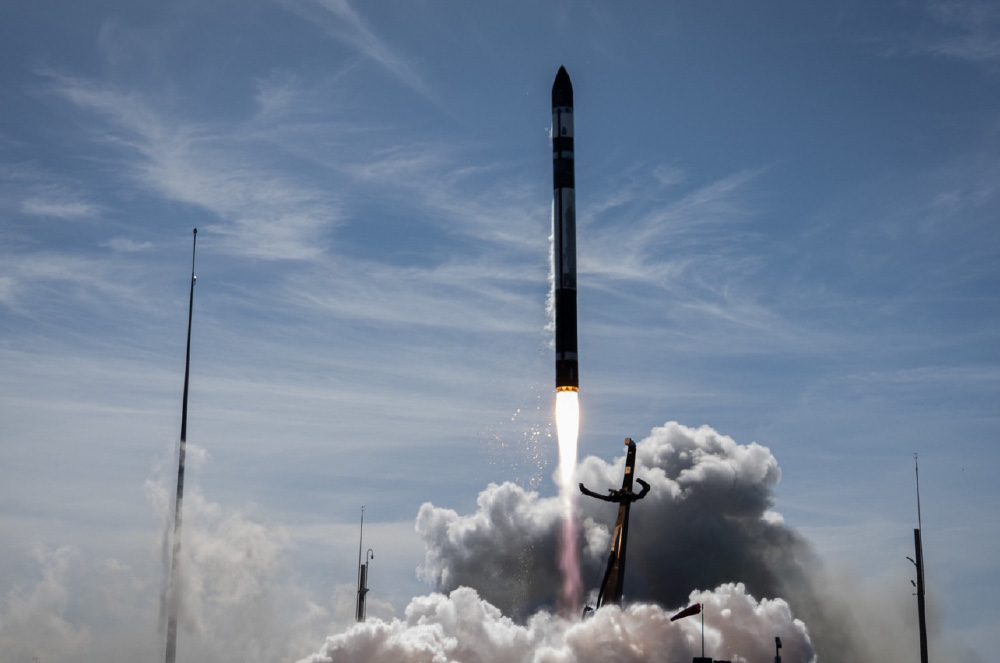
Rocket Lab has successfully launched 5 new Kinéis nanosatellites during the 4th mission, “IoT 4 You & Me”. Just one more launch before our constellation is fully deployed!
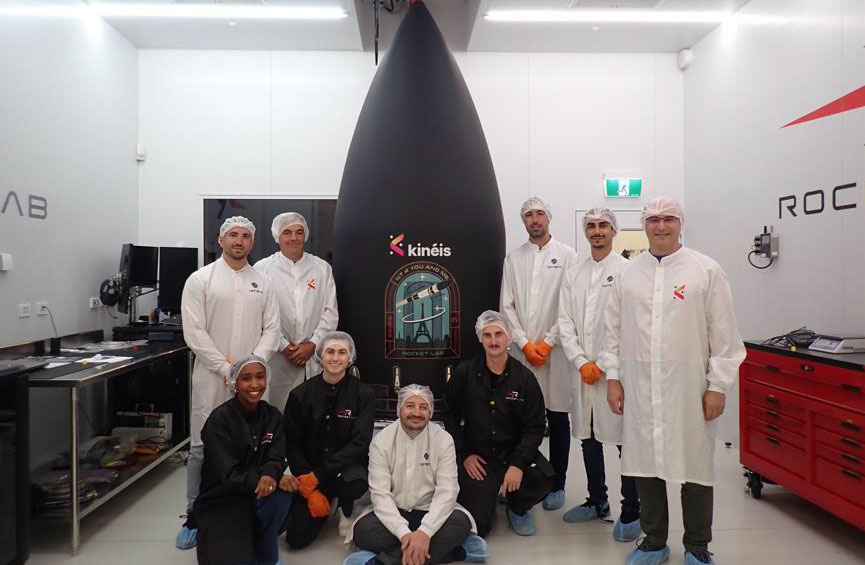
The nanosatellites of the "IoT 4 You and Me" mission are installed in the payload fairing of Rocket Lab's Electron rocket, ready for launch.
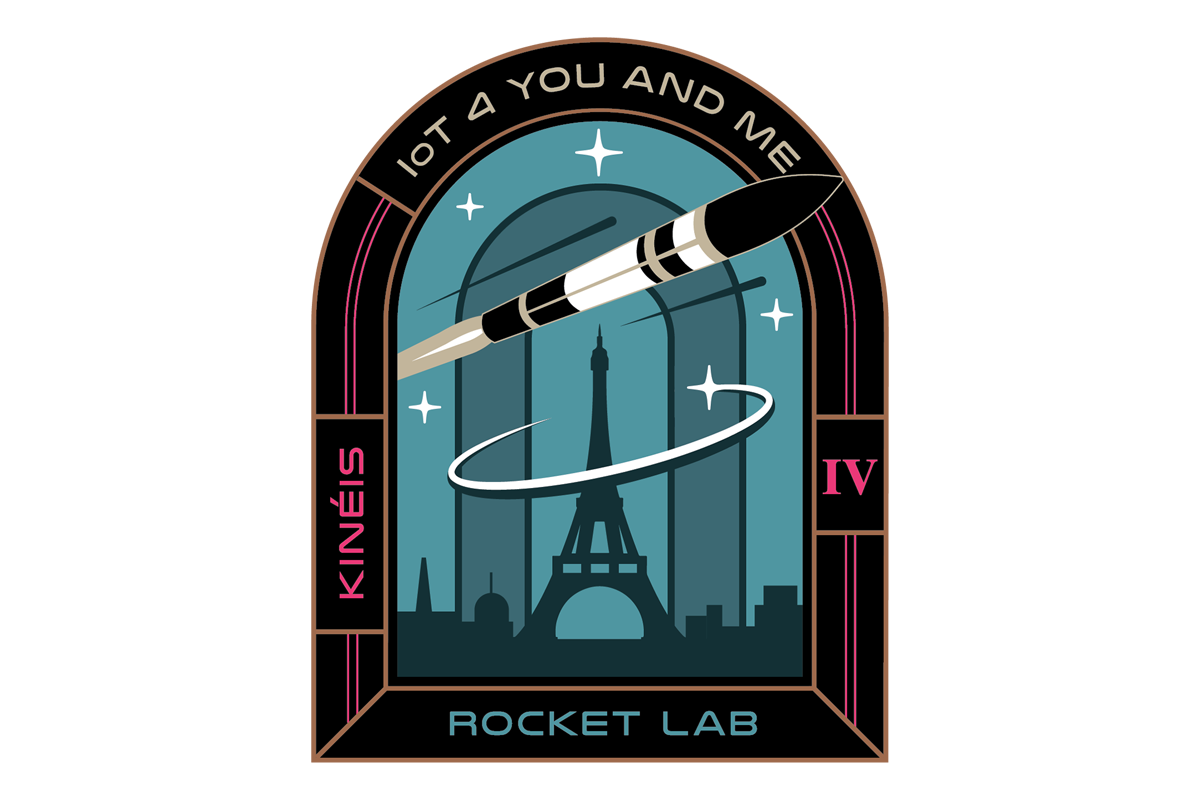
The 5 nanosatellites of mission IV "IoT 4 You and Me" will be launched starting February 4, 2025 (NZ Time) - bringing the constellation to 20 satellites out of the 25 planned. Tracking, monitoring and receiving alerts within minutes, anywhere on Earth, is now within reach!
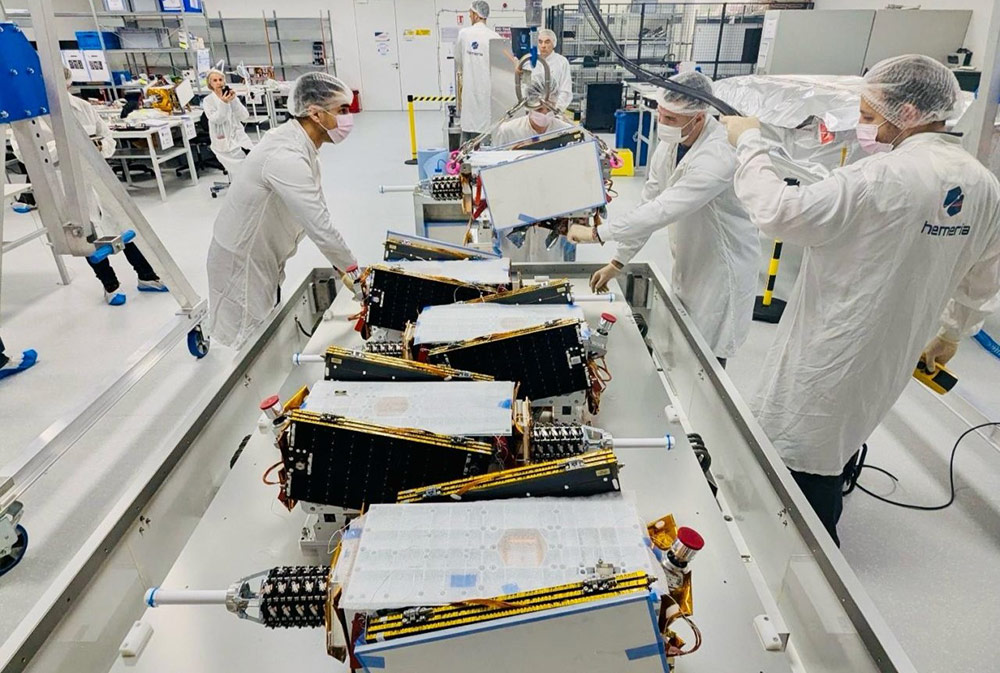
The 5 nanosatellites of Mission IV are completing their assembly at our partner Hemeria. They’re about to head to New Zealand, where our launch provider Rocket Lab will integrate them into the Electron rocket. Stay tuned for their launch in early 2025!
Mission III « Ice AIS Baby» successful
On November 25, 2024, at 4:55 AM Paris time, Kinéis reached a significant milestone in the deployment of its nanosatellite constellation with the successful launch of the "Ice AIS Baby" mission.
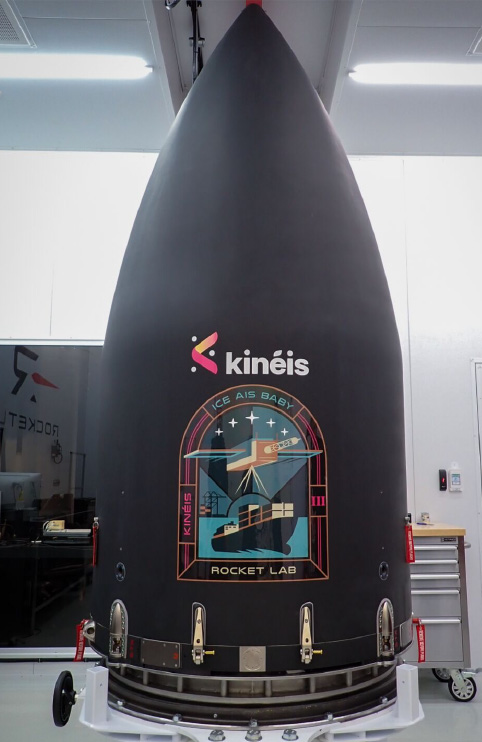
The 5 nanosatellites from the 3rd mission AIS Ice Baby, secured in the Rocket Lab rocket’s fairing, are ready to join the first ten already deployed.
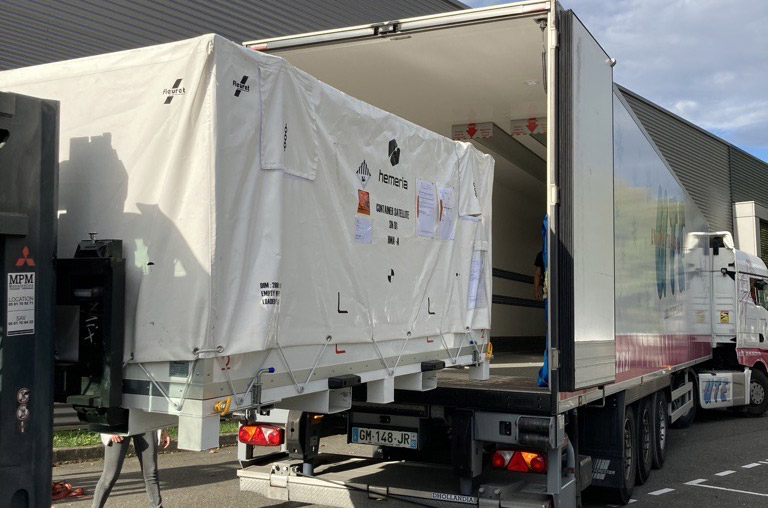
The industrialization of the 5 nanosatellites for the 3rd launch is complete. They have left Hemeria and are on their way to New Zealand, where our launcher, Rocket Lab, is waiting for them. The launch is scheduled in a few weeks.
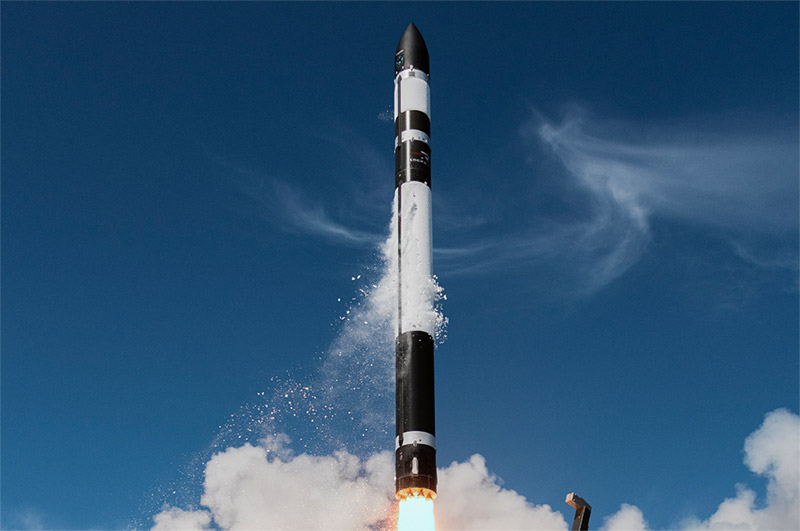
Mission II Kinéis "Killed The RadIoT Star" successful
On September 21st at 1:01 AM French time, space welcomed 5 new Kinéis nanosatellites, marking a crucial milestone in the deployment of the constellation.
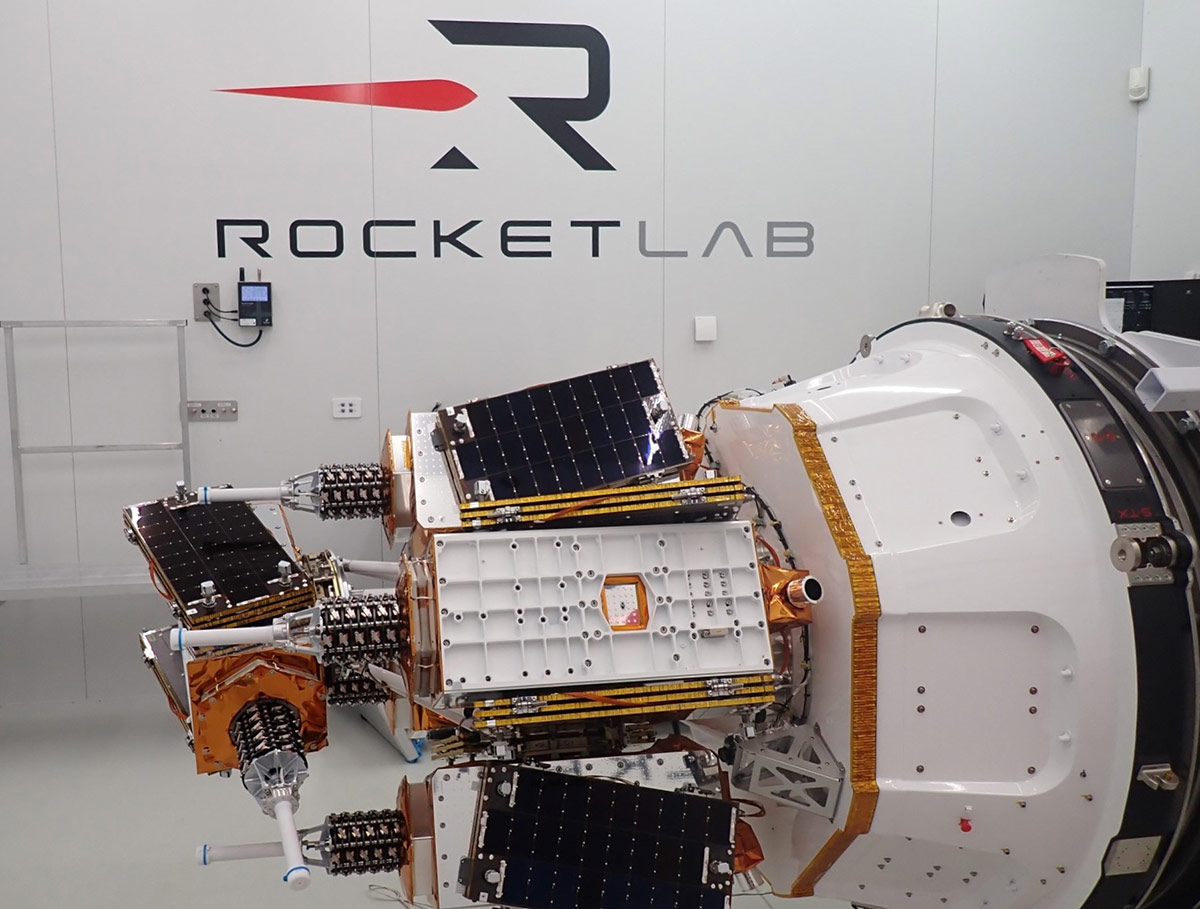
The 5 nanosatellites of the 2nd mission are positioned with precision aboard the Electron rocket, ready for launch on September, the 19th.
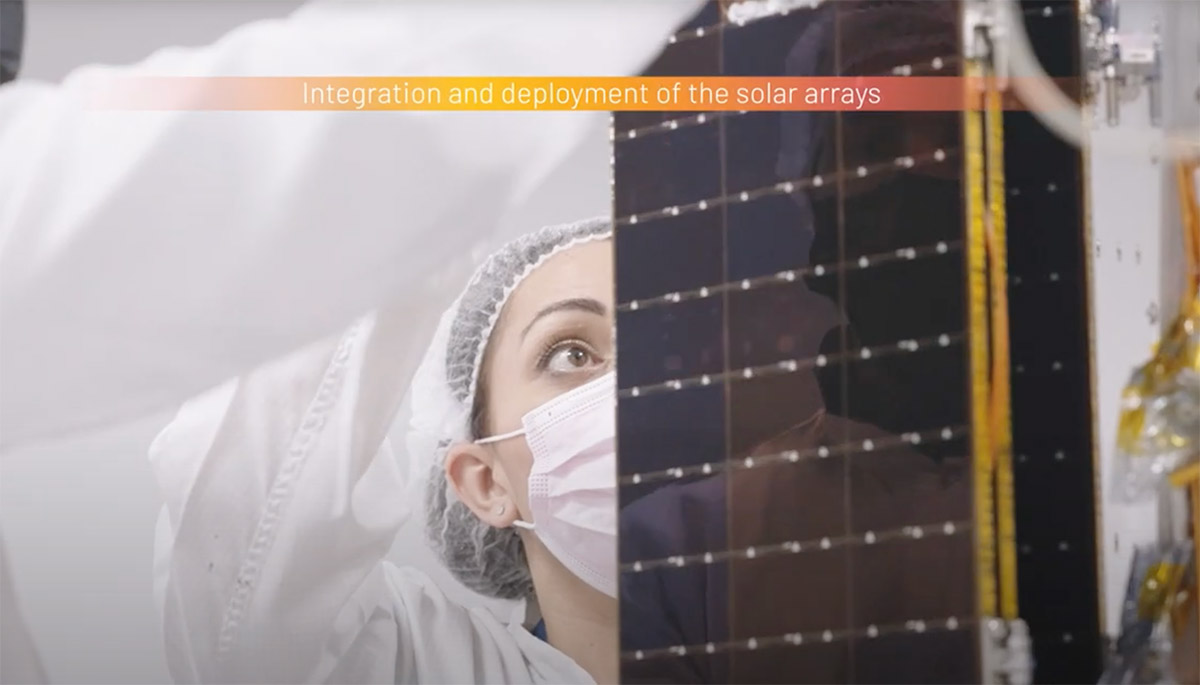
Integration activities continue in the clean room at Hemeria.
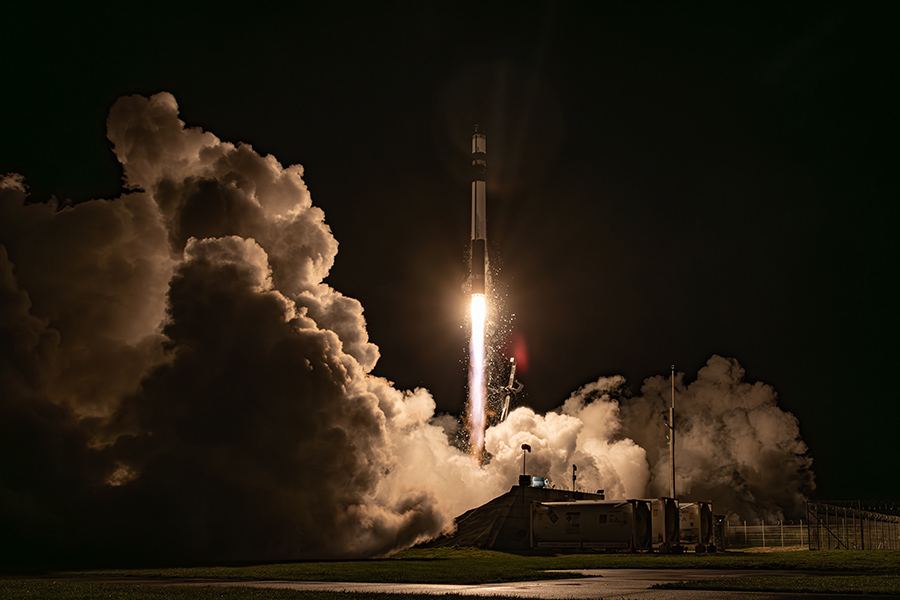
Successful first lauch:"No Time Toulouse"
On June 20 at 8:13 p.m. sharp (Paris time), Kinéis reached a major milestone with the successful first launch by Rocket Lab of its first 5 nanosatellites, marking the beginning of the deployment of our IoT constellation composed of 25 nanosatellites.
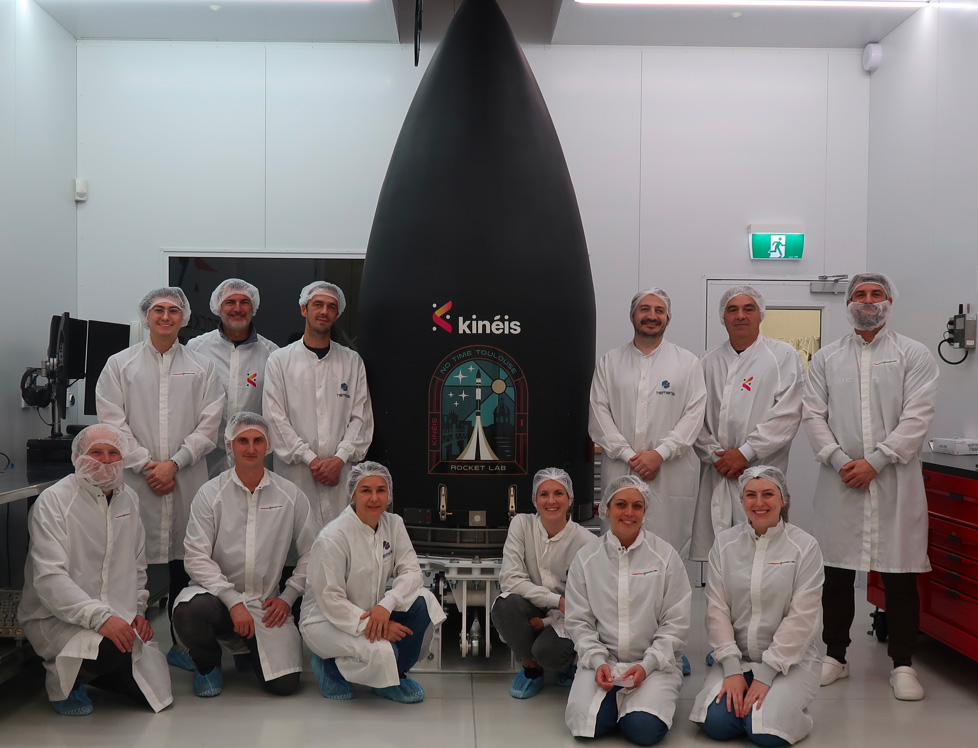
Rocket Lab teams meticulously sealed the fairing, with our first five satellites installed by the milimeter inside.
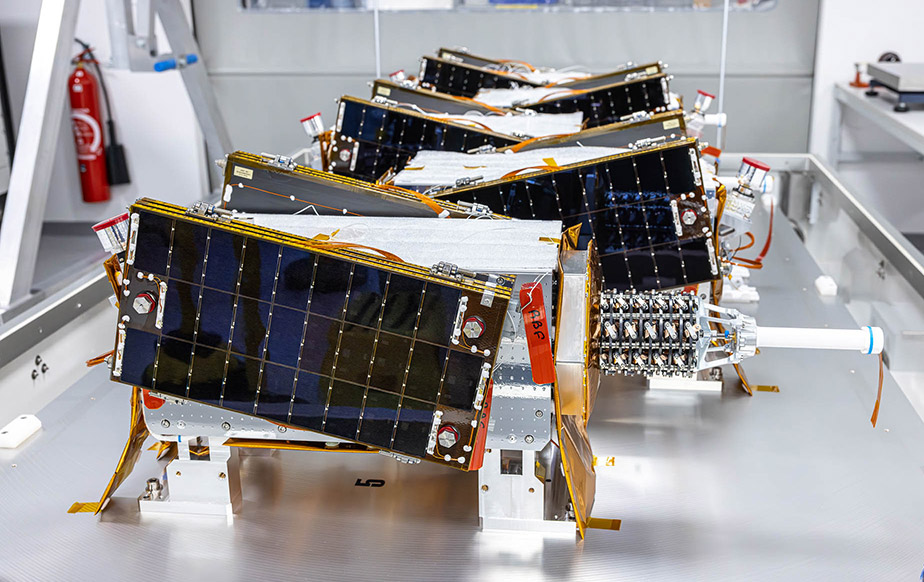
Completion of our 1st batch of 5 satellites. The Kinéis and Hemeria teams have carried out the final mechanical, thermal and functional tests.
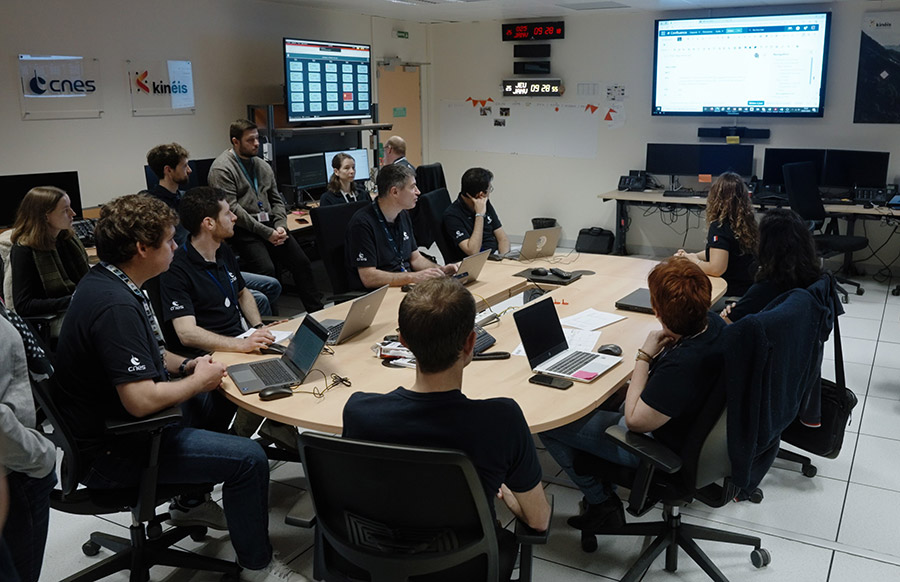
The integrated Kinéis-CNES teams simulated LEOP's 48 hours of non-stop operations. The Launch and Early Orbit Phase (LEOP) is one of the most critical stages of our mission, representing the moment when our satellites transition from launch mode to nominal mode in which all satellite’s functionalities are on.
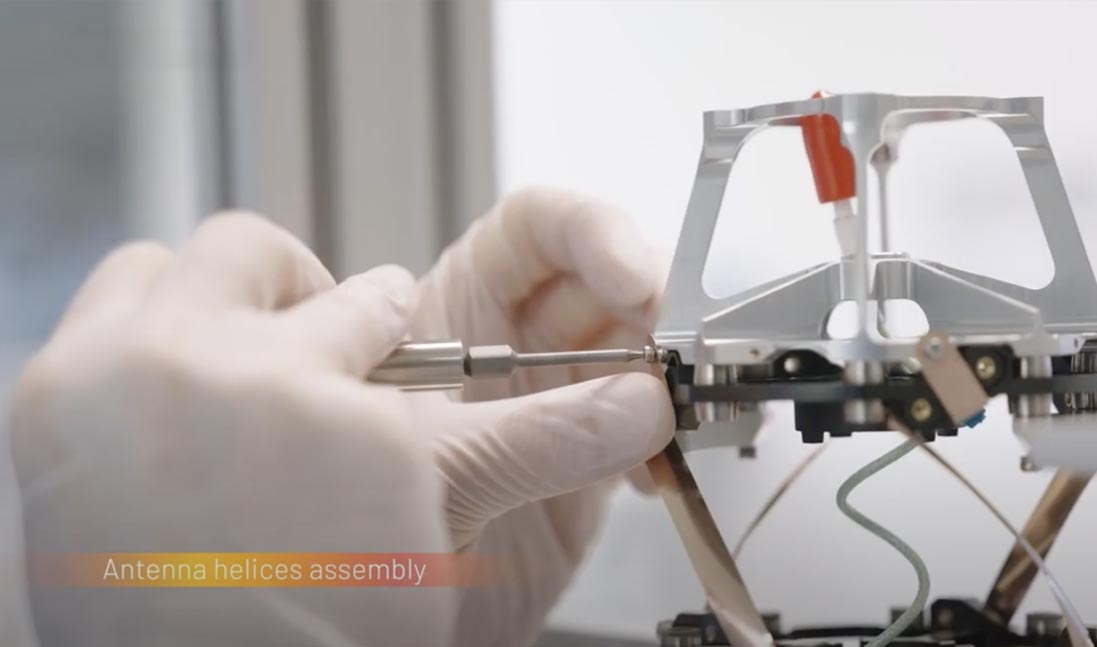
Our antennas are the result of cutting-edge research and development lead by Comat and Cobham. crafted to perfection for our missions. They are tailor-made for our mission and develop impressive performance.
Each satellite has 2 types of antennas fully dedicated to IoT connectivity, the UHF and the S-band which merge into the self-deploying UHF-S antenna.
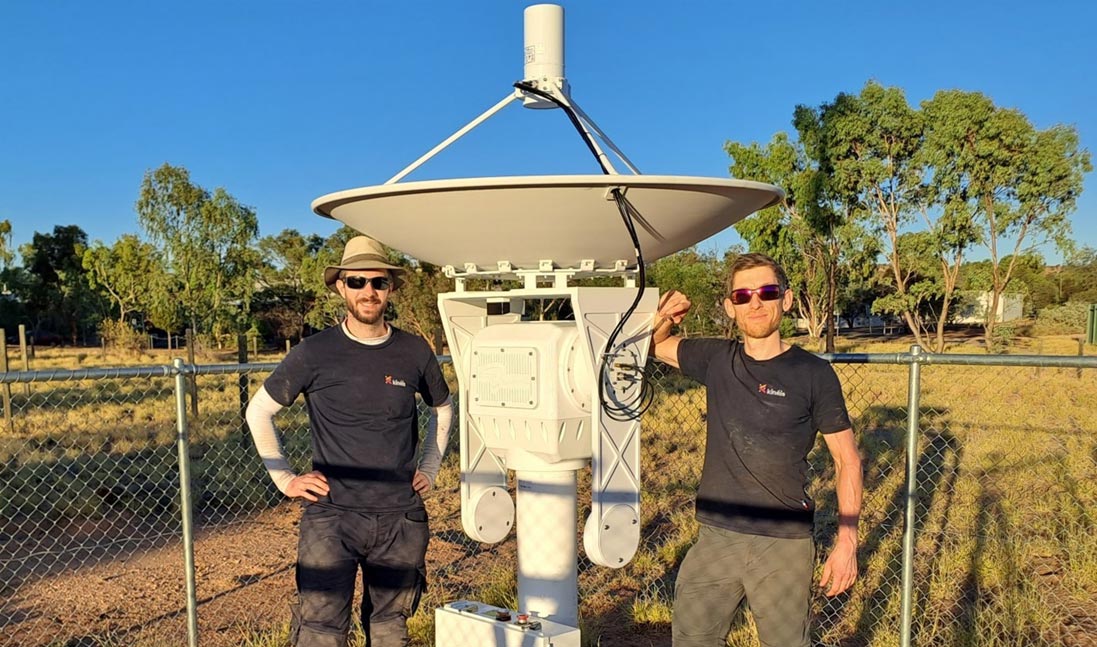
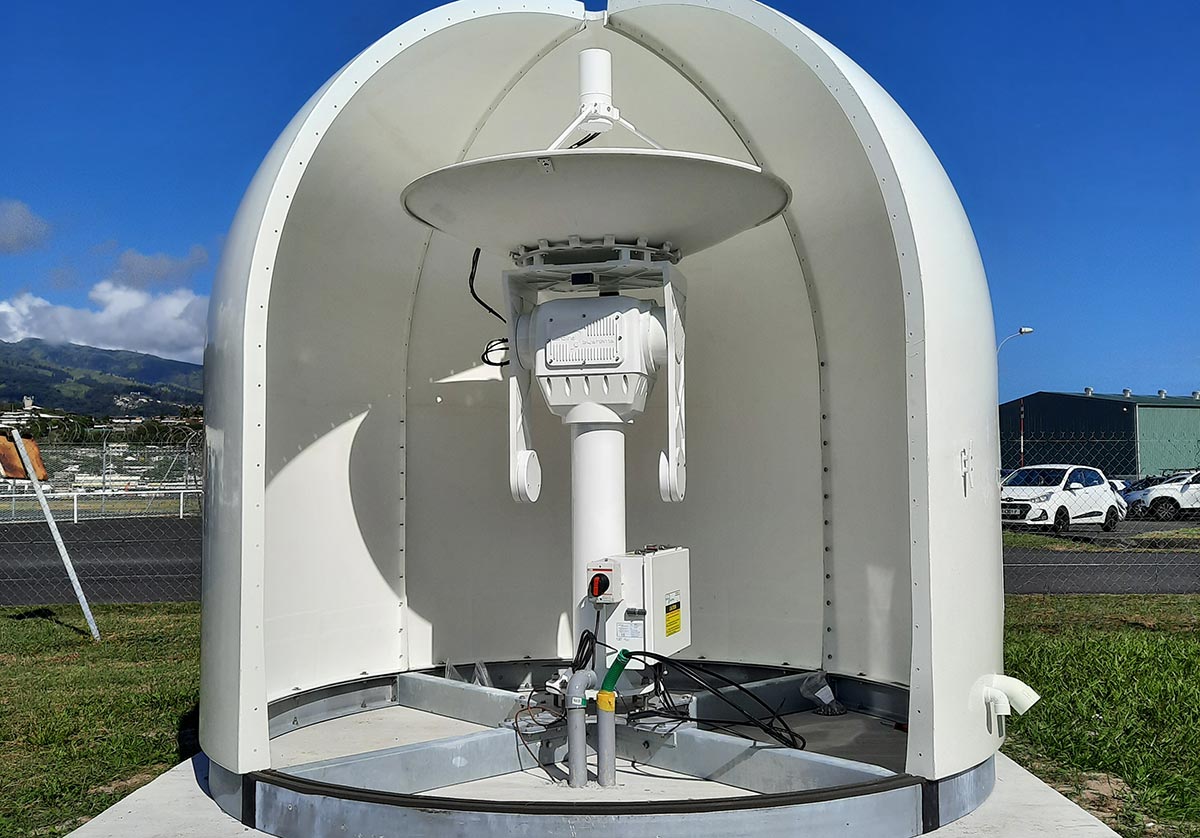
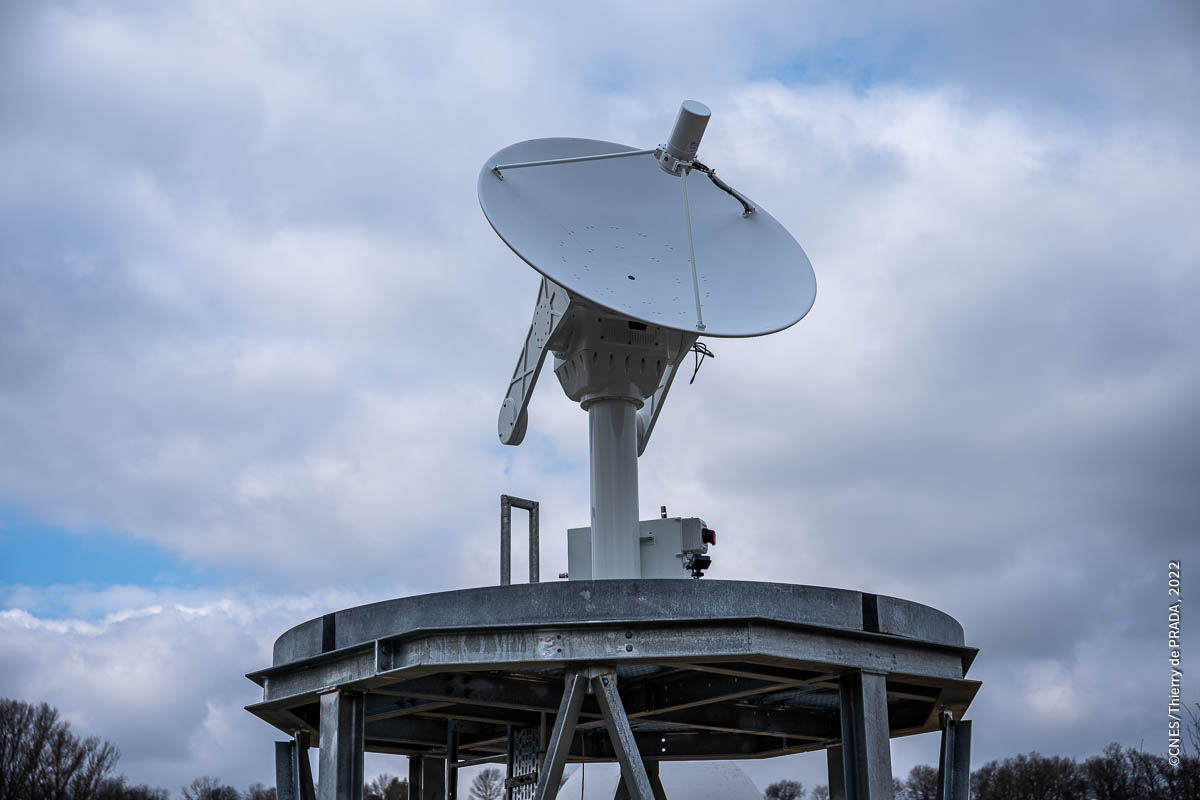
The first Kinéis GRS of 2024 has been installed in Alice Springs, Australia.
It consists of 2 parabolic antennas and 3 UHF (Ultra High Frequency) antennas, 2 of which are for transmitting and 1 for receiving messages.
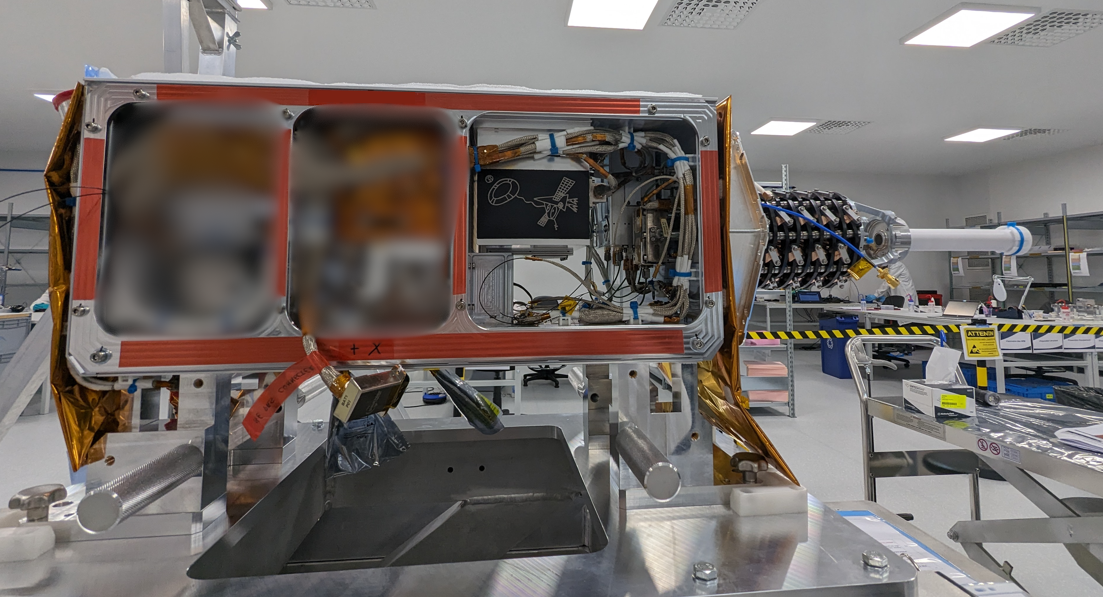
Our partner Hemeria has begun the production of the 25 nanosatellites.
The first 4 nanosatellites are currently being manufactured to build the batch of the first 5 satellites (4 + the flight model satellite, the Proto-Flight Model) which will take off next June from New Zealand.
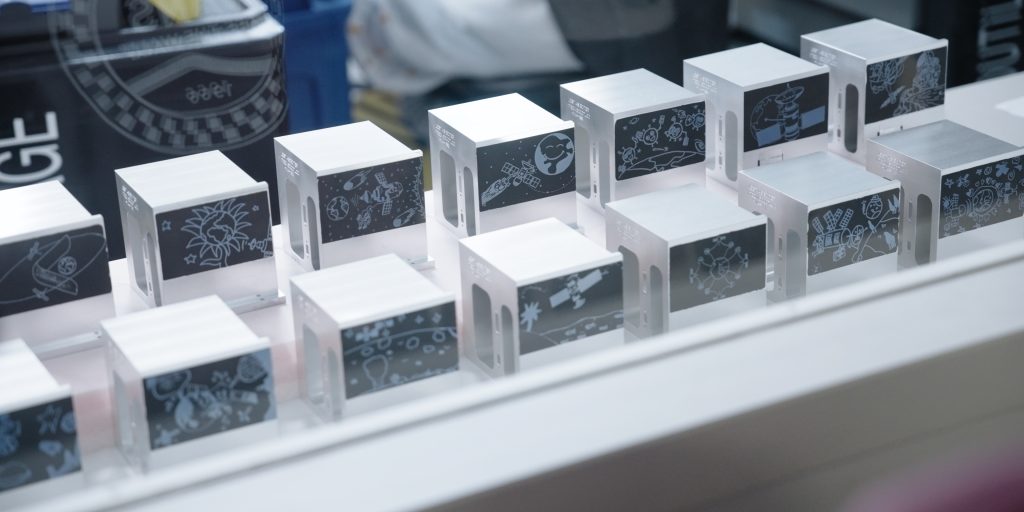
The 15 children winners of the "Your Drawing in Space" competition were received with their parents at Hemeria in Toulouse, where the satellites are produced, to admire their engraved drawings. The drawings were engraved on metal plates ready to be integrated into the satellites before their launch this summer.
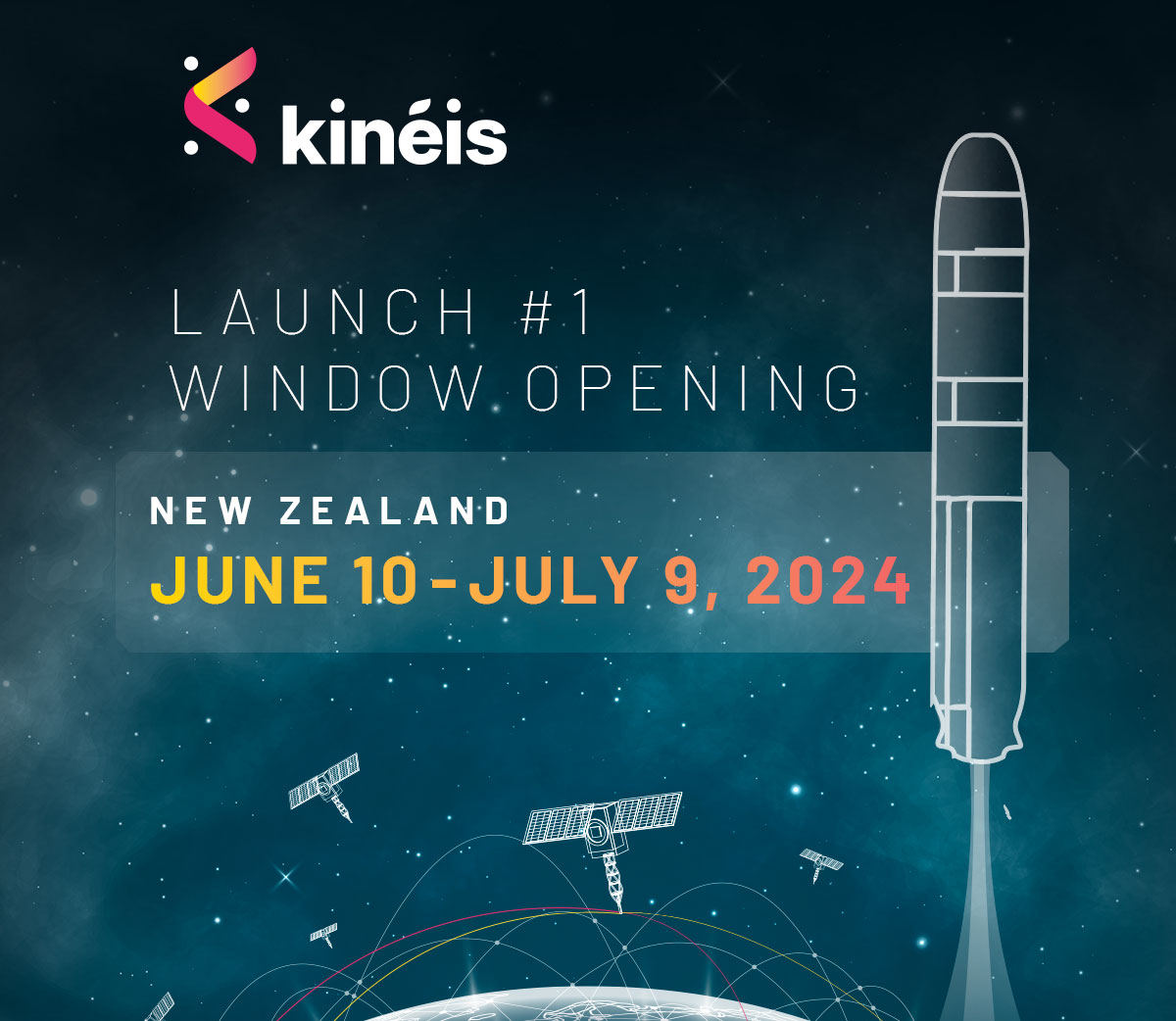
The launch window for the first of the 5 launches will be between 10 June and 9 July 2024. The launches to orbit the Kineis constellation will be carried out using the Electron micro-launcher of Rocket Lab vehicle on the Pacific coast of New Zealand's North Island.
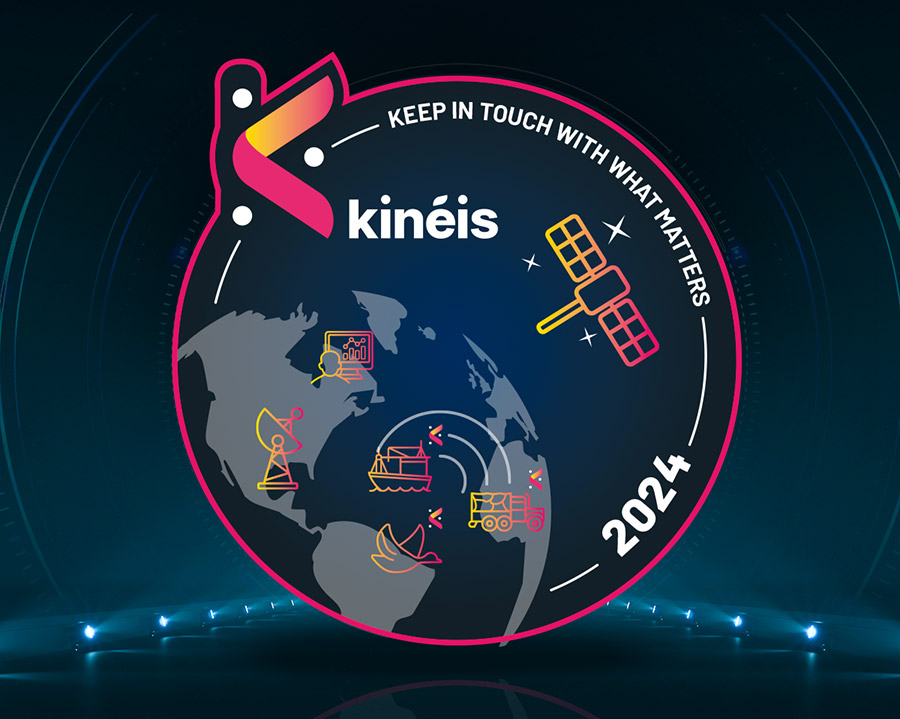
Kinéis reveals its patch, federator and emblem of all space missions.
The patch woven in our colours represents the most important aspects of the Kinéis project: global connectivity, a network of ground stations, varied applications and the end user. An essential collector's item in this exceptional year of launches.
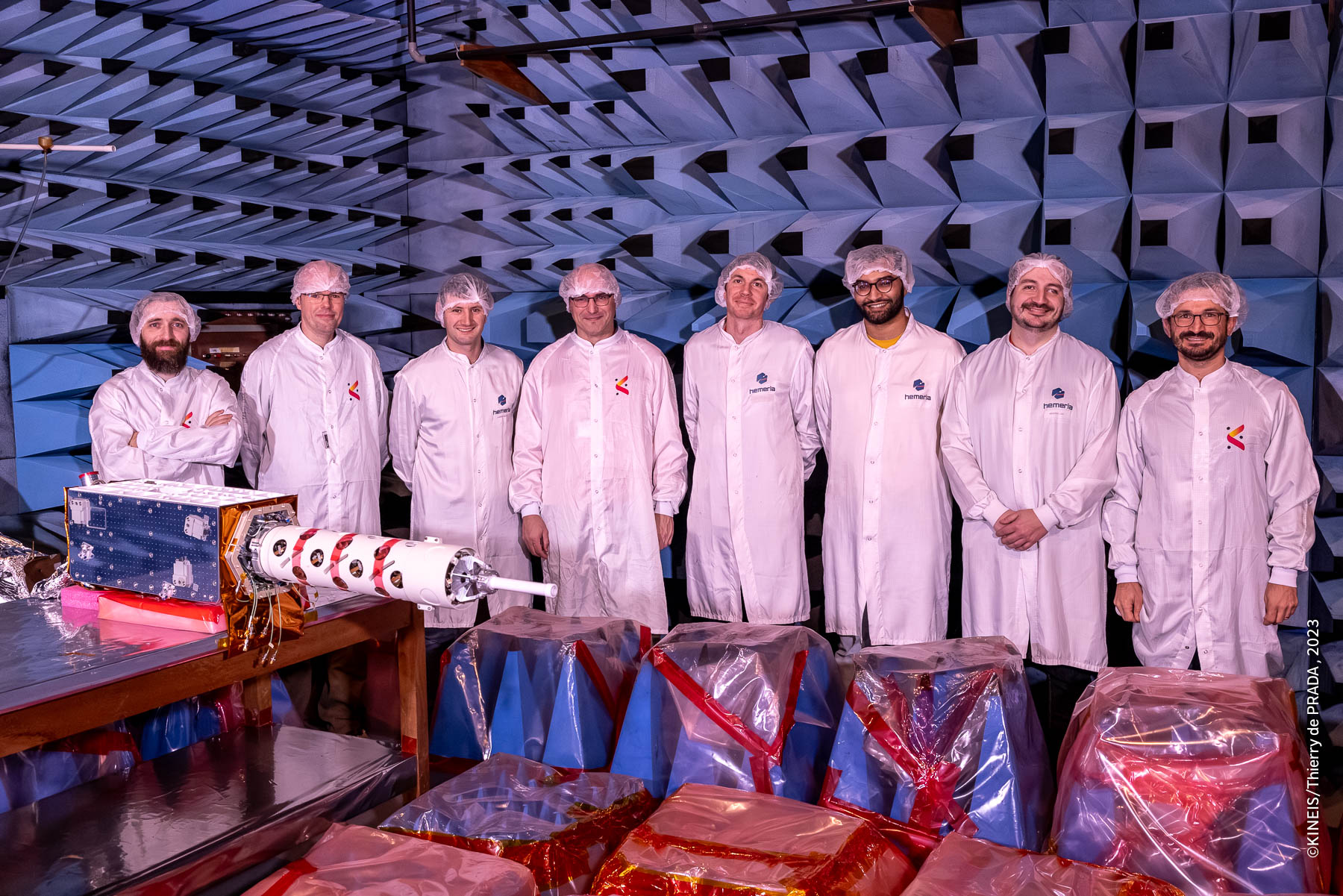
The Kinéis and Hemeria teams carried out ElectroMagnetic Compatibility (EMC) tests on the Proto-Flight Model (PFM) of the Kinéis satellite
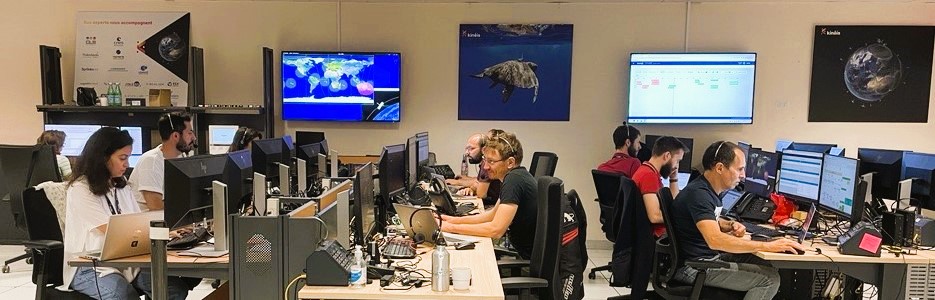
The joint Kinéis-CNES teams carried out with success the technical qualification tests for the delicate Launch Early Operations Phase (LEOP).
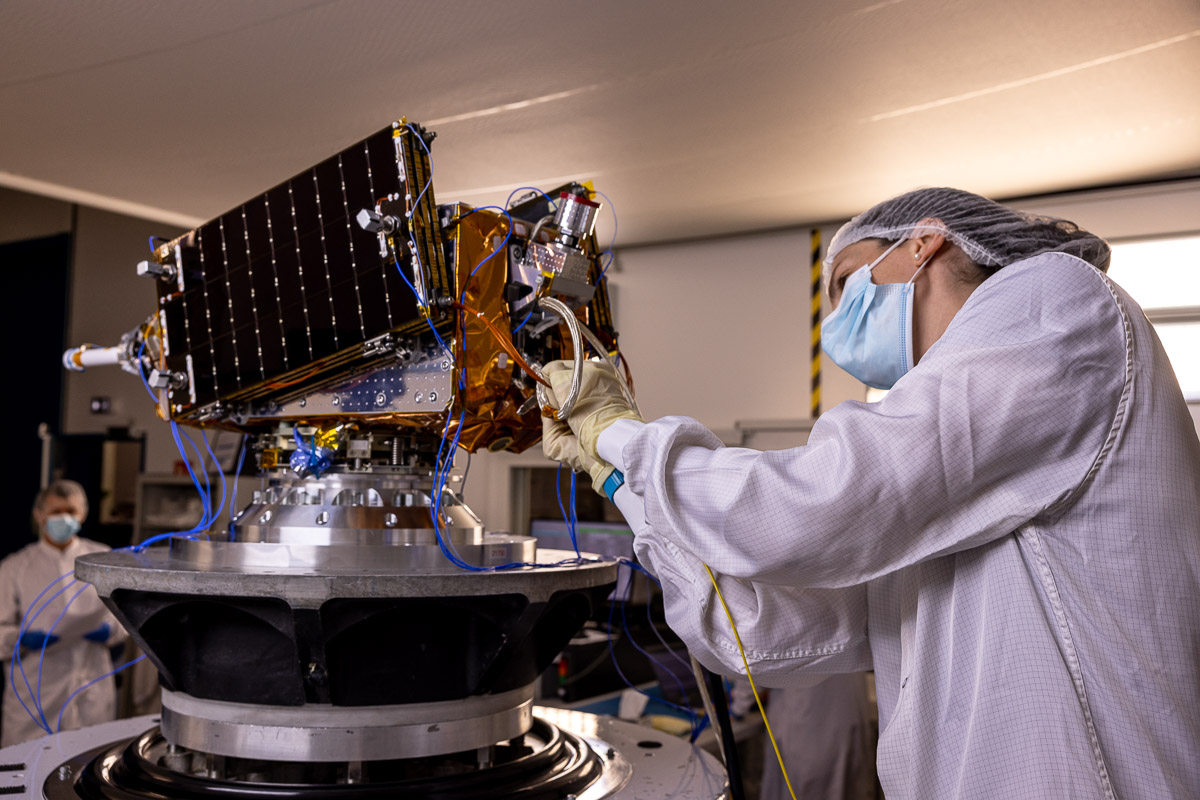
Teams from Kinéis and Hemeria carried out vibration tests on the Proto-Flight Model (PFM)
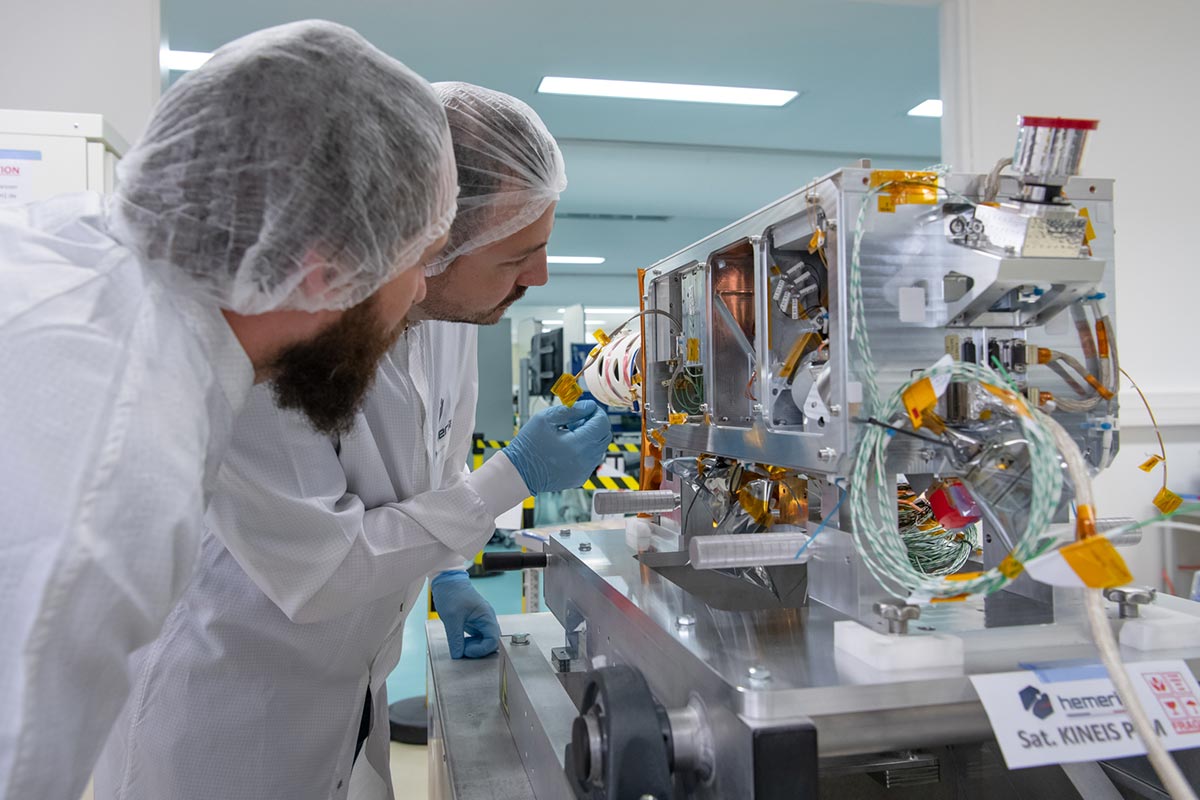
Integration of first flight model nears completion
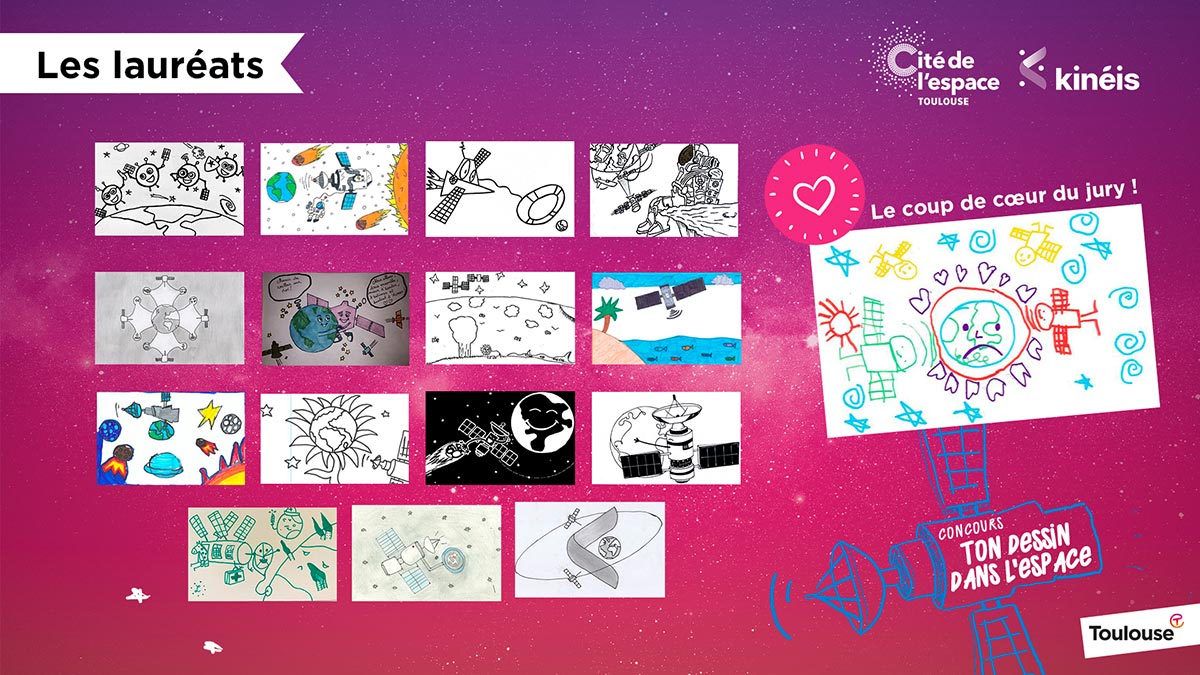
15 winning children's drawings from the "Your drawing in space" competition will be engraved and integrated into the satellites.
With five dedicated launches of its Electron rocket, Rocket Lab provides the flexibility and tailored approach needed to enable the full deployment of Kinéis’ space-based IoT connectivity service.”

Initiated and supported by CNES (the French space agency) and CLS, Kinéis has inherited 40 years of expertise in data collection.